How Restaurants and Cafés Can Prevent Drainage Failures During Peak Hours
For restaurants and cafés, peak hours are when everything is pushed to the limit. Orders pile up, dishes keep coming back to the sink, staff move at full…
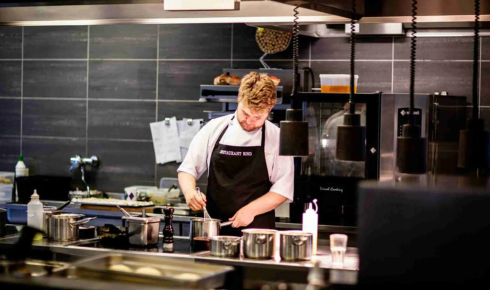
For restaurants and cafés, peak hours are when everything is pushed to the limit. Orders pile up, dishes keep coming back to the sink, staff move at full speed, and water usage increases dramatically across the kitchen and service areas. While most operators plan for high customer footfall, drainage systems are often overlooked until something goes wrong.
Drainage failures during peak hours are not just inconvenient. A blocked sink, slow drainage, or backflow can disrupt kitchen workflows, compromise hygiene, and in worst cases force temporary shutdowns. Preventing these issues requires understanding why they happen and how the right plumbing solutions can support continuous operations.
Why Peak Hours Put Drainage Systems Under Stress
During rush hours, multiple activities happen simultaneously. Dishwashers run continuously, prep sinks are used back-to-back, handwash stations see constant use, and cleaning staff frequently flush water through the system. All this creates a high and sustained volume of discharge.
At the same time, commercial kitchens deal with grease, oils, and food residue. When combined with high water flow, these substances move quickly through pipes while hot, but as temperatures drop, grease begins to solidify. This gradual buildup narrows pipe diameters and increases the likelihood of sudden blockages exactly when the kitchen is busiest.
Traditional gravity-based drainage systems often struggle to cope with this combination of high flow, grease content, and continuous usage.
The Impact of Drainage Failure on Business Operations
Drainage issues rarely stay confined to a single sink. A slow drain can quickly turn into standing water, unpleasant odours, and hygiene concerns. During peak service hours, this can affect:
- Food preparation speed and efficiency
- Staff movement and safety in wet areas
- Compliance with hygiene standards
- Customer experience if service is delayed
Even short interruptions during busy hours can result in lost orders and reputational damage.
Managing Continuous Water Discharge Effectively
One of the key challenges in busy kitchens is handling continuous discharge without relying solely on gravity. Dishwashers and sinks often release large volumes of water in short cycles, which can overwhelm standard drainage layouts, especially in compact or retrofit spaces.
High-performance lifting solutions like Sanicom 2 are designed for such demanding environments. They actively pump grey water from kitchen fixtures to the nearest drainage point, ensuring smooth flow even when usage is constant. This reduces pressure on pipes and helps prevent slow drainage during service rushes.
By maintaining consistent discharge, kitchens can operate at full capacity without worrying about backups when demand is highest.
Grease: The Silent Cause of Most Blockages
Grease is one of the biggest contributors to drainage failure in restaurants and cafés. Oils and fats may flow easily when hot, but they solidify inside pipes over time. During peak hours, this buildup can suddenly restrict flow, causing water to back up without warning.
Simply flushing more water does not solve the problem and often makes it worse. Effective grease separation before wastewater enters the drainage system is essential in high-footfall food service environments.
This is where solutions like Sanigrease T 24 play a critical role. By capturing fats, oils, and grease at the source, it prevents them from entering pipes and pumps. This significantly reduces the risk of blockages, foul smells, and emergency plumbing calls during busy service periods.
Supporting High Footfall Without Compromise
Restaurants and cafés with high customer turnover often operate in locations where space and plumbing access are limited, such as malls, high streets, or older buildings. Kitchens in these environments cannot afford downtime, especially during weekends and evenings.
Reliable drainage systems ensure that:
- Dishwashing keeps pace with service demand
- Prep areas remain clean and functional
- Staff can maintain hygiene standards under pressure
When drainage performs consistently, the kitchen team can focus on service quality rather than troubleshooting infrastructure problems.
Preventing Emergency Shutdowns During Rush Hours
Emergency plumbing issues during peak hours are costly and stressful. They often require immediate intervention, disrupt staff schedules, and can force partial or full closure of the kitchen.
By combining active pumping with effective grease separation, restaurants create a more resilient drainage setup. Instead of reacting to blockages after they occur, the system proactively manages flow and contaminants, reducing the likelihood of sudden failures.
This approach is especially valuable for cafés and QSRs that depend heavily on peak-hour revenue.
Designing Kitchens for Long-Term Reliability
Drainage planning should not be an afterthought in kitchen design or renovation. Systems must be selected based on real operating conditions, not average usage.
A well-designed setup accounts for:
- High volumes of water during peak hours
- Grease-heavy discharge from cooking processes
- Continuous operation with minimal downtime
Investing in reliable drainage solutions early helps avoid repeated maintenance costs and service interruptions later.
Final Thoughts
Peak hours are when restaurants and cafés need their infrastructure to perform at its best. Drainage failures during these times can disrupt operations, affect hygiene, and impact customer experience.
By addressing continuous water discharge and managing grease effectively, food service businesses can significantly reduce the risk of blockages and downtime. With the right plumbing solutions in place, kitchens stay efficient, compliant, and ready to handle high footfall even during the busiest service hours.