Creating a Comfortable Home with Reliable Heating and Cooling
A comfortable home makes a difference in how we feel throughout the day. Whether you’re relaxing after work, preparing dinner, spending time with family, or trying to sleep…
A comfortable home makes a difference in how we feel throughout the day. Whether you’re relaxing after work, preparing dinner, spending time with family, or trying to sleep on a warm night, indoor temperatures can affect everything from your mood to your energy levels. That’s why a reliable heating and cooling system isn’t just a luxury. It’s an important part of everyday living.
Many homeowners don’t think about their HVAC equipment until it starts making unusual noises, struggles to cool a room, or stops working altogether. Unfortunately, waiting until something breaks can lead to unnecessary stress and expensive repairs. A little understanding and regular attention can help keep your system running smoothly.
Why Your Heating and Cooling System Deserves Attention
Heating and cooling systems work behind the scenes throughout much of the year. Air conditioners remove heat from indoor spaces, while heating equipment helps maintain a comfortable temperature during colder periods. Both systems rely on proper airflow, functioning components, and regular maintenance to perform efficiently.
When something isn’t working properly, the signs may appear gradually. One room might feel warmer than another, the thermostat may take longer to reach its setting, or your monthly energy bill may suddenly increase. These small changes are often worth investigating before they turn into bigger problems.
Keeping your equipment in good condition can also help reduce unnecessary strain on motors, compressors, fans, and other components.
When Installation or Repair Becomes Necessary
Sometimes a system simply needs a minor repair. A clogged filter, faulty thermostat, blocked drain line, or loose electrical connection can affect performance. In other situations, aging equipment may struggle to maintain comfortable temperatures despite repeated repairs.
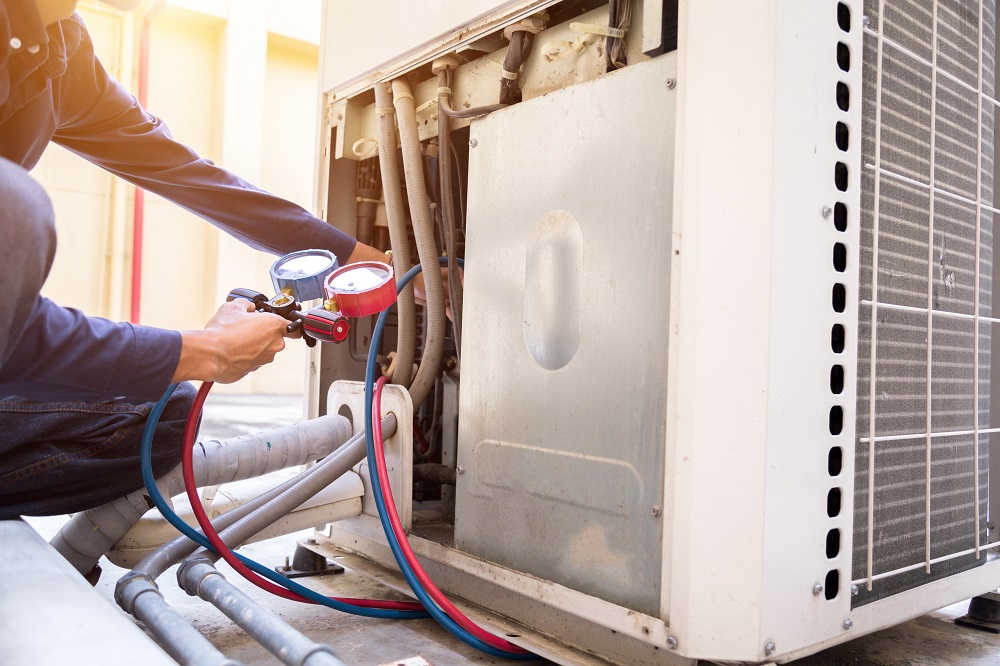
Professional air conditioning installation and repair services can help homeowners understand whether repairing the existing unit makes sense or replacing it would be a better long-term decision. A technician can inspect the equipment, evaluate airflow, check electrical components, and identify issues that aren’t always obvious from the thermostat.
If replacement is necessary, proper sizing matters. An oversized air conditioner may cycle too frequently, while an undersized unit may run for long periods without adequately cooling the home. The goal is to choose equipment that suits the property’s layout, insulation, climate, and household needs.
Choosing Local Professionals You Can Trust
Finding someone reliable to work on your HVAC system shouldn’t feel like a gamble. Homeowners want technicians who arrive on time, explain the problem clearly, and provide practical recommendations rather than pushing unnecessary upgrades.
Working with local heating and cooling professionals can make ongoing maintenance and service more convenient. Local technicians may be familiar with regional weather conditions, common HVAC problems, and the types of systems frequently installed in nearby homes.
Before hiring a contractor, check their qualifications, licenses where required, reviews, warranties, and written estimates. It’s also sensible to ask whether emergency repairs, routine tune-ups, and replacement parts are available when needed.
A good service experience often comes down to communication. You should know what needs fixing, why it matters, what the work will cost, and whether there are alternative options.
Simple Maintenance Habits That Help
You don’t need technical expertise to take a few basic steps toward better HVAC performance. In fact, some of the most useful maintenance habits are fairly simple.
- Replace air filters regularly according to the manufacturer’s recommendations.
- Keep outdoor condenser units free from leaves, grass, and debris.
- Make sure supply vents and return-air grilles aren’t blocked.
- Pay attention to unusual noises, odors, or changes in airflow.
- Check thermostat settings when changing between heating and cooling seasons.
These habits help maintain airflow and make it easier to notice developing problems. Filters are especially important because a dirty one can restrict airflow and force the system to work harder than necessary.
However, electrical repairs, refrigerant handling, and complicated mechanical problems should always be left to qualified technicians.
Exploring Home Heating and Cooling Solutions
Today’s home heating and cooling solutions include more than traditional air conditioners and furnaces. Depending on the home’s design and climate, options may include heat pumps, ductless mini-split systems, programmable thermostats, zoning equipment, and high-efficiency HVAC units.
Each option has its own advantages. Ductless systems can be useful for room additions or spaces without existing ductwork. Heat pumps can provide both heating and cooling, while zoning systems allow different areas of the home to maintain separate temperature settings.
The right equipment depends on several factors, including the home’s size, insulation, local climate, energy costs, and budget. It’s worth comparing efficiency ratings and installation requirements instead of choosing a unit based solely on its advertised price.
Improving Energy Efficiency Without Sacrificing Comfort
Heating and cooling costs can become a noticeable part of household expenses, especially during extreme weather. Fortunately, the HVAC system isn’t the only factor affecting energy consumption.
Proper insulation, weatherstripping around doors and windows, ceiling fans, and sensible thermostat settings can help maintain indoor comfort. Closing gaps that allow outdoor air to enter may reduce the workload on heating and cooling equipment.
If your system is older, frequently breaks down, or struggles to maintain temperatures, an efficiency assessment may help determine whether an upgrade is worthwhile. Sometimes improvements to insulation or airflow can provide benefits without replacing the entire unit.
Making Comfort a Part of Everyday Life
A dependable HVAC system makes home life easier in ways we often notice only when it stops working. Regular maintenance, timely repairs, and thoughtful equipment choices can help prevent unexpected breakdowns and improve comfort throughout the year.
Rather than waiting for an emergency, take time to understand how your system operates and what it needs. With the right professionals, sensible maintenance habits, and equipment suited to your home, staying comfortable doesn’t have to be complicated. A well-maintained heating and cooling system should simply do its job quietly, day after day.