Breathe Cleaner, Save Money, and Protect Your HVAC System
Indoor air quality is one of the most overlooked aspects of residential health and comfort. Most homeowners spend hours wiping down countertops, vacuuming carpets, and dusting open shelves,…
Indoor air quality is one of the most overlooked aspects of residential health and comfort. Most homeowners spend hours wiping down countertops, vacuuming carpets, and dusting open shelves, yet the most critical pathway for air in the entire house remains completely invisible. Hidden behind walls, running through attics, and snaking under floors, your heating, ventilation, and air conditioning system relies on a vast network of ductwork to keep room temperatures consistent year-round. Over time, these metallic or flexible passageways collect an impressive buildup of dust, dander, pollen, mold spores, and general construction debris. Ignoring this hidden ecosystem can lead to rising energy bills, unnecessary strain on expensive HVAC equipment, and compromised air quality for everyone living under your roof.
Understanding how air ducts function, recognizing the warning signs of contaminated air passages, and taking proactive maintenance steps can completely transform your home environment. By investing time and attention into proper air distribution care, you ensure a healthier living space while preserving the structural integrity and efficiency of your heating and cooling equipment.
Understanding Your Home Air Network
Every time your thermostat calls for heat or air conditioning, your system draws air in, processes it through a heat exchanger or cooling coil, and forces it back into your living spaces. This continuous circulation loop means that whatever resides inside your ducts eventually makes its way into your living room, bedrooms, and kitchen. Dust settles quickly on flat surfaces, but micro-particles remain suspended in the air stream, constantly moving through the ductwork.
In a typical home, air ducts act as a collection basin for daily environmental waste. Pet dander, skin flakes, textile fibers, micro-plastics, and outdoor pollutants pulled in through open doors or microscopic structural gaps accumulate slowly. Over a few years, this fine layer of dust can become thick enough to impede airflow. When airflow becomes restricted, your blower motor must work significantly harder to push the exact same volume of air through the vents. This extra effort directly translates into higher monthly utility bills and accelerated wear on your mechanical systems.
Crucial Warning Signs Your Air Ducts Need Care
Your HVAC network communicates its condition through subtle cues around your home. Recognizing these early signs can save you thousands of dollars in emergency repairs and energy waste.
Persistent Dust Accumulation
If you find yourself dusting your coffee table and television stand only to see a light gray layer settle back down within twenty-four hours, your duct system is likely saturated. When ducts are full of debris, every cycle of the furnace or air conditioner blows fine particles directly into your living spaces rather than filtering them out effectively.
Unexplained Spikes in Utility Bills
A sudden increase in energy costs without a corresponding change in weather patterns often points toward airflow resistance. When dust creates a barrier along the inner walls of your ductwork, static pressure increases. The blower unit consumes considerably more electricity to overcome this resistance, driving up operational costs month after month.
Musty or Unpleasant Odors
Stale, earthy, or burnt smells whenever the system kicks on are clear indicators of organic buildup within the supply or return vents. Moisture can occasionally mix with trapped dust, creating an ideal breeding ground for microbial growth. Operating a system under these conditions spreads unpleasant odors throughout the entire residence.
Uneven Heating or Cooling Across Rooms
If your master bedroom feels warm while the guest room remains freezing cold, dust blockages or loose duct connections could be disrupting balanced airflow. Damaged or congested branch lines prevent conditioned air from reaching distant parts of the home efficiently.
Long-Term Benefits of Routine System Care
Maintaining clean air pathways provides far-reaching advantages that extend well beyond simple cleanliness. Taking a systematic approach to your home ventilation network offers tangible physical, financial, and mechanical benefits.
Enhanced HVAC Efficiency and Longevity
HVAC equipment represents one of the largest financial investments in any residential property. Replacing a full furnace or condensing unit requires significant capital. Keeping the associated ductwork free of severe blockages allows the system to operate within its original manufacturer parameters, reducing thermal stress on components and significantly extending the total operational lifespan of the equipment.
Superior Indoor Air Quality and Comfort
For household members who manage seasonal allergies, asthma, or respiratory sensitivities, clean air pathways offer immediate relief. Eliminating accumulated allergen reservoirs means fewer irritants circulating through the bedroom while sleeping, leading to better rest, reduced daily congestion, and an overall fresher indoor atmosphere.
Reduced Housekeeping Effort
A clean ventilation system traps debris where it belongs, rather than depositing fresh layers of soot and dirt onto furniture, drapery, and flooring. Homeowners frequently notice that routine house cleaning becomes drastically easier and less frequent once the underlying air duct system is clean and operating correctly.
Practical Maintenance Steps for Homeowners
While comprehensive deep cleaning requires specialized commercial negative air machines and rotary brushes, homeowners can take regular preventive steps to maintain system health.
- Replace Filters Consistently: Swap out standard furnace filters every one to three months, depending on pet ownership and household size. High-efficiency MERV-rated filters trap smaller particles before they enter the return ducts.
- Keep Grilles and Registers Clear: Inspect floor and wall vents monthly. Ensure furniture, rugs, and drapes do not block supply or return grilles, as restricted vents alter air pressure across the whole network.
- Clean Vents and Registers: Vacuum the exterior of supply registers and wipe down the louvers with a damp cloth to prevent surface dust from falling into the boot.
- Maintain Outdoor Units: Keep the exterior condenser pad free of falling leaves, overgrown shrubs, grass clippings, and mud to ensure smooth overall airflow into the home.
- Monitor Humidity Levels: Keep indoor relative humidity between thirty and fifty percent to discourage mold spores from taking root inside warm, dark air pathways.
When to Bring in Professional Care
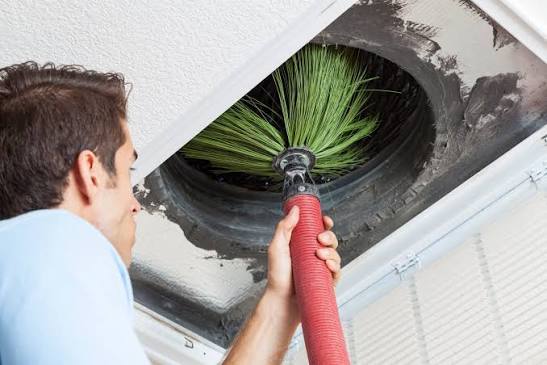
Preventive home maintenance goes a long way, but routine deep care requires equipment that goes far beyond standard household tools. Over years of operation, stubborn grime sticks to the walls of rigid sheet metal and flexible ducting. Professional technicians utilize high-powered, truck-mounted vacuum units combined with specialized air whips and rotobrush tools to break up sticky deposits safely without damaging delicate duct liners or flexing joints.
If you have recently completed a major home renovation project, experienced a pest infestation, noticed visible mold growth around register boots, or simply cannot remember the last time your system received a thorough inspection, it is time to call qualified specialists. When you are ready to ensure your HVAC network runs at peak performance and delivers clean air to every room, you should Book a duct maintenance appointment with trusted local professionals who can inspect, test, and restore your system properly.
Investing in your home air distribution network pays immediate dividends in lower utility costs, consistent indoor temperatures, and better health for your entire family. Taking care of what lies behind your walls ensures that the air you breathe every day remains as fresh, safe, and clean as possible.