Cleaner Air at Home Starts With the Choices We Barely Notice
Most people don’t think much about the air inside their homes until something feels off. Maybe the bedroom feels stuffy in the morning. Maybe dust keeps settling on…
Most people don’t think much about the air inside their homes until something feels off. Maybe the bedroom feels stuffy in the morning. Maybe dust keeps settling on the coffee table no matter how often it’s wiped. Or maybe someone in the house is sneezing more than usual, and no one can quite figure out why. Indoor air is a quiet thing. It doesn’t ask for attention, but it affects comfort, sleep, energy, and even the way a home feels when you walk through the door.
We spend so much time talking about outdoor pollution that the air inside our homes sometimes gets a free pass. But the truth is, indoor spaces can collect all kinds of unwanted particles — dust, pollen, pet dander, smoke, odors, cleaning chemical residue, and tiny airborne irritants that drift around without being seen. A home can look spotless and still have air that feels heavy or stale.
Why Home Air Can Feel So Different
Every home has its own air personality, in a way. A house near a busy road may deal with more outdoor pollutants sneaking in through windows and doors. A home with pets may have more dander floating around. Older houses may have dust hidden in ducts, carpets, or corners that rarely see daylight. Even new homes can trap contaminants because modern construction is often tighter and less naturally ventilated.
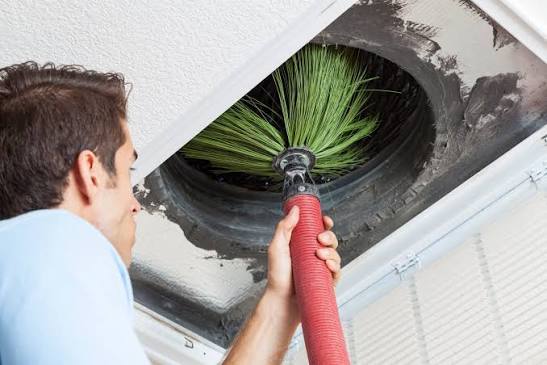
That’s where air filtration systems start to matter. They don’t just “freshen” the air like a candle or spray might. A good system is designed to capture particles and help reduce contaminants that ordinary cleaning can’t fully remove. It works in the background, quietly supporting the space where people cook, sleep, work, and unwind.
The Link Between Air and Everyday Comfort
Poor air doesn’t always announce itself dramatically. Sometimes it shows up as dry eyes, headaches, lingering smells, restless sleep, or that annoying layer of dust that keeps coming back. Families with children, older adults, allergy sufferers, or people sensitive to airborne particles may notice these things even more.
Improving indoor air quality is not about chasing perfection. No home will ever be completely free from dust or pollutants, and honestly, that’s not realistic. It’s more about reducing what you can, creating better airflow, and making the home feel healthier and easier to breathe in. Small changes help too — changing HVAC filters on time, using exhaust fans while cooking, vacuuming with a quality filter, and keeping humidity in a balanced range.
Not All Filtration Is the Same
It’s easy to assume that any filter will do the job, but air cleaning technology varies a lot. Some basic filters are mainly there to protect the HVAC equipment, not necessarily to deeply clean the air people breathe. More advanced systems are built to target smaller particles and a broader range of airborne concerns.
This is why homeowners often look beyond the cheapest option. The right solution depends on the size of the home, existing HVAC setup, local air conditions, and the specific concerns inside the house. For example, a family dealing with wildfire smoke in the region may need a different level of protection than someone mostly concerned about pet dander or everyday dust.
Where Better Technology Fits In
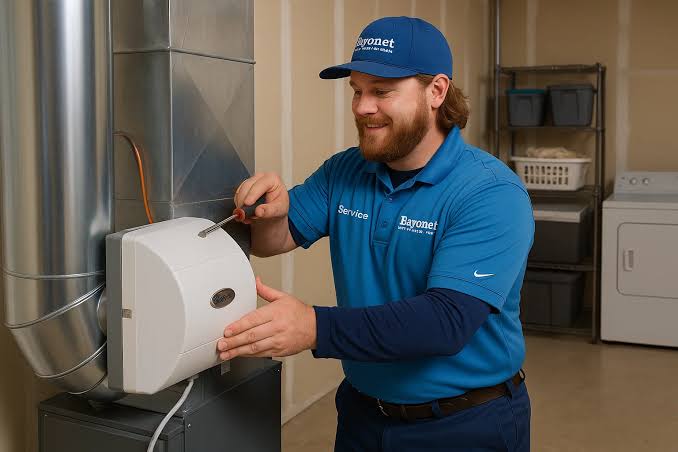
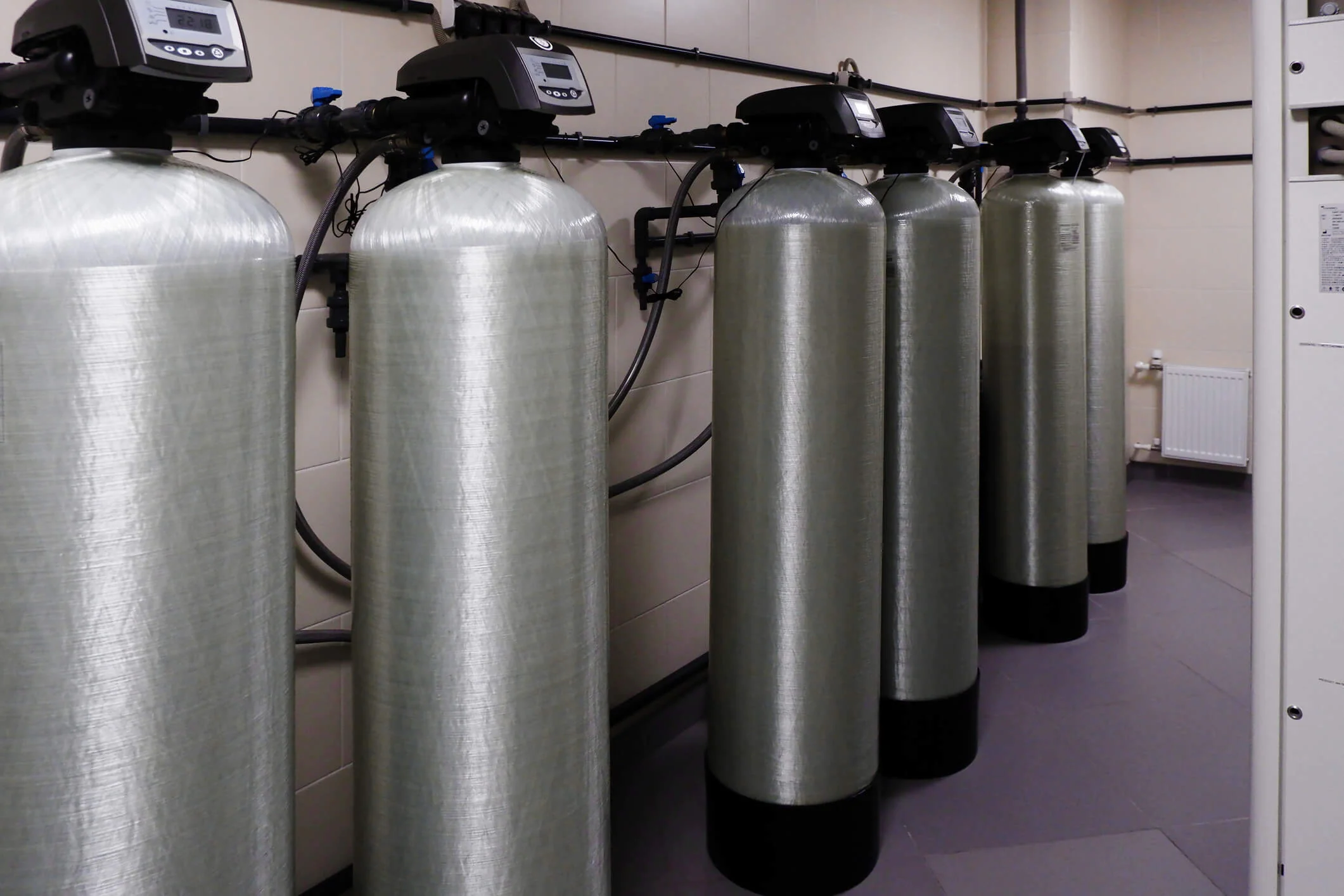
For households that want a more serious approach, HealthWay systems are often considered because they focus on advanced filtration and whole-home air cleaning solutions. The value is not just in having a device installed, but in choosing a system designed for real indoor environments — homes where people open doors, cook meals, bring in outdoor dust, and live normal, busy lives.
A strong air filtration setup should feel almost invisible after installation. You shouldn’t have to think about it every day. It simply becomes part of how the home works, like good plumbing or reliable heating. When it’s doing its job, the difference can be subtle but meaningful: fresher rooms, fewer lingering odors, less visible dust, and a general feeling that the space is easier to breathe in.
A Healthier Home Is Built in Layers
Clean indoor air isn’t created by one product alone. It’s a layered effort. Ventilation matters. Maintenance matters. The materials you bring into your home matter. Even habits matter — like not ignoring damp areas, avoiding excessive fragrance sprays, and keeping filters changed before they become overloaded.
The best approach is practical, not obsessive. Start with what you notice most. Is there a musty smell? Is dust the biggest frustration? Do allergies flare up indoors? Once you know the main concern, it becomes easier to choose the right solution instead of buying something random and hoping for the best.
Breathing Easier, Without Overthinking It
A home should feel like a place where your body can relax. Clean air plays a bigger role in that than many people realize. You may not see every particle floating around, but you can often feel the difference when the air is lighter, fresher, and better managed.
Investing in better filtration is really an investment in everyday comfort. Not flashy, maybe. Not something guests always notice right away. But for the people living there, breathing that air every morning and every night, it can make a real difference. And sometimes, the best improvements in a home are the quiet ones.