A Well-Maintained Home Starts With the Details: Painting, Windows, and Fascia
A house can look perfectly fine from the street and still need a little attention. Perhaps the exterior paint has started to peel near the garage, a window…
A house can look perfectly fine from the street and still need a little attention. Perhaps the exterior paint has started to peel near the garage, a window lets in a cold draft, or the boards along the roofline look worn after years of exposure to rain and sunshine. These issues may seem minor at first, but dealing with them early can help prevent more expensive repairs later.
Home maintenance isn’t always exciting. Most people would rather spend their weekends enjoying their homes than inspecting walls or checking exterior trim. Still, a few thoughtful improvements can make a noticeable difference in comfort, appearance, and long-term property value. Three areas worth paying attention to are exterior finishes, window condition, and the materials that protect the edges of your roof.
Why Exterior Finishes Need Regular Care
The outside of a house faces a constant mix of weather conditions. Sunlight can fade colors, rain can encourage moisture damage, and changing temperatures may cause building materials to expand and contract. Over time, even a well-built property begins to show signs of wear.
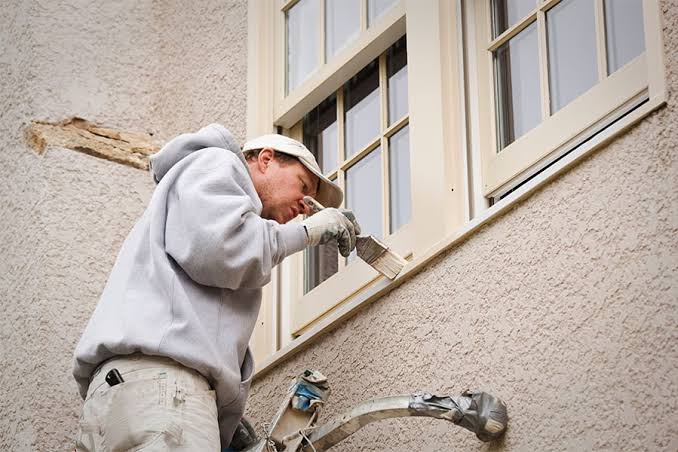
Good painting does more than make a home look fresh. When the correct coating is applied to a properly prepared surface, it can help protect wood, siding, and other suitable materials from everyday exposure. The important part is preparation. Applying a new coat over peeling paint, dirt, or damp surfaces rarely produces a durable result.
Before starting a project, inspect the exterior carefully. Look for flaking areas, hairline cracks, damaged caulking, and places where moisture may be entering. Wooden surfaces deserve particular attention because prolonged exposure to water can lead to swelling, rot, and deterioration.
Cleaning and sanding may be necessary, depending on the surface and the condition of the existing finish. Any loose material should be handled safely, especially in older properties where previous coatings might contain lead. When there’s uncertainty, a qualified professional can help determine the appropriate precautions.
Choosing the right product also matters. Exterior coatings should suit the material being covered and the local climate. A product designed for indoor walls won’t necessarily withstand outdoor conditions, and even a high-quality exterior coating can fail when applied incorrectly.
Windows Can Change the Feel of an Entire Room
Few things affect everyday comfort as noticeably as a poorly performing window. You might feel a chilly breeze while sitting beside one in winter, or notice that a room becomes uncomfortably warm during sunny afternoons. Sometimes the issue is obvious; in other cases, the problem develops gradually.
Modern windows can improve insulation, reduce unwanted drafts, and make indoor spaces more pleasant. However, replacement isn’t always the first step. Damaged weatherstripping, loose hardware, worn seals, and small gaps around the frame may be responsible for the discomfort.
Start by checking how each window operates. Does it open smoothly? Does the lock engage properly? Is there visible condensation between the glass panes? Persistent moisture between panes in an insulated glass unit can indicate seal failure, which may reduce the unit’s insulating performance.
Condensation on the room-facing glass is a different issue. It can occur when warm, humid indoor air meets a cold surface. Improving ventilation, managing indoor humidity, and maintaining suitable indoor temperatures may help, although the underlying cause should be considered.
Frame material is another factor when choosing replacements. Vinyl, wood, aluminum, and fiberglass each have different maintenance requirements, costs, and performance characteristics. The best option depends on the home’s design, exposure to weather, budget, and energy-efficiency goals.
Installation is just as important as the window itself. Even an excellent product can perform poorly if gaps around the frame aren’t sealed correctly or if water-management details are overlooked. For that reason, compare installation quality and warranties alongside the quoted price.
The Roofline Deserves More Attention Than It Gets
When homeowners inspect their properties, they often look at the roof surface and gutters but overlook the trim running along the roof’s edges. These components are exposed to weather year after year, and small defects can eventually become larger maintenance concerns.
The fascia is the board or finished component attached along the roof edge, commonly supporting the gutter system and helping protect the ends of roof rafters. Depending on the building, it may be made from wood, aluminum, vinyl, or another suitable material.
Because fascia sits near the roofline, water management is especially important. Overflowing gutters, loose joints, and blocked downspouts can leave nearby materials wet for extended periods. Wooden fascia may then begin to soften, rot, or lose its paint finish.
A simple visual inspection can reveal early warning signs. Look for peeling coatings, sagging gutters, dark stains, visible gaps, or sections that appear swollen. You might also notice birds or insects gathering around damaged areas, particularly where small openings provide access.
Don’t ignore gutter problems when repairing roofline trim. Replacing damaged fascia without addressing persistent overflow could mean repeating the same repair sooner than expected. The source of the moisture needs attention as well.
Roof-edge work can involve ladders, unstable surfaces, and hidden structural damage. If the affected area is difficult to reach or the wood feels soft, bringing in an experienced contractor is usually safer than attempting a repair without the right equipment.
Bringing These Improvements Together
One advantage of planning home maintenance as a connected project is that it can reduce duplicated effort. For example, if exterior trim needs repair and repainting, completing the necessary repairs before applying a finish helps create a more durable result.
Likewise, checking windows while inspecting exterior walls can reveal gaps that might otherwise go unnoticed. Damaged caulking around a frame may allow water to reach surrounding materials, while failing gutter joints can contribute to staining or deterioration farther down the wall.
It helps to establish priorities before spending money. Water intrusion, decaying wood, and deteriorating roof-edge components generally deserve attention before purely cosmetic concerns. Drafty windows may also deserve an early place on the list if they significantly affect comfort or energy use.
For larger projects, ask contractors to explain the cause of the damage, the materials they recommend, and the steps they will take to prevent recurrence. A detailed estimate should identify the work included, surface preparation, disposal, and any additional repairs that might be required.
Simple Habits That Protect Your Investment
You don’t need to conduct a professional building inspection every month to keep track of your home’s condition. A few seasonal checks can help you spot changes before they become serious.
After heavy rain, look for overflowing gutters, unusual stains, or water collecting near the building. During routine cleaning, check accessible window seals and notice whether frames have become difficult to operate. Once or twice a year, inspect exterior finishes from ground level for peeling paint and damaged trim.
Keep photographs of areas that are changing. A small patch of peeling coating may not seem urgent, but comparing pictures over several months can help you recognize whether the damage is spreading.
Regular maintenance also benefits from realistic budgeting. Set aside money for repairs rather than waiting until several problems appear at once. If a contractor identifies a concern that you don’t understand, ask for an explanation and, when appropriate, a second opinion.
Small Repairs Can Make a Lasting Difference
A comfortable, attractive home doesn’t require constant renovation. Often, the biggest improvements come from noticing the little things and responding before they turn into larger problems.
Exterior finishes help protect exposed surfaces, properly functioning windows support indoor comfort, and sound roofline components help manage the effects of rain and weather. Each serves a different purpose, yet all contribute to the same goal: keeping the property in good condition.
Take time to inspect your home, understand what needs attention, and choose repairs that address the underlying cause rather than simply hiding the symptoms. With a sensible maintenance routine and the right professional support when needed, your home can remain welcoming, efficient, and well cared for through the changing seasons.