Better Water From Every Tap: Finding the Right Filtration and Softening Solutions for Your Home
Have you ever washed a glass only to discover cloudy marks covering its surface once it dries? Or filled a kettle and noticed a chalky residue collecting around…

Have you ever washed a glass only to discover cloudy marks covering its surface once it dries? Or filled a kettle and noticed a chalky residue collecting around the bottom? These little frustrations are often reminders that the water flowing through your home deserves more attention.
Water quality influences far more than what you drink. It affects laundry, cleaning, cooking, bathing, and the condition of everyday appliances. Yet many homeowners continue dealing with water-related problems without realizing that suitable treatment options are available.
From Florida’s coastal communities to neighborhoods across the country, households experience different water quality concerns. Understanding the available treatment methods can help you make improvements that genuinely benefit your daily routine without spending money on unnecessary equipment.
Improving Water Quality Throughout Your Home
A small kitchen filter can be useful, but what about the water running through your shower, washing machine, and bathroom faucets?
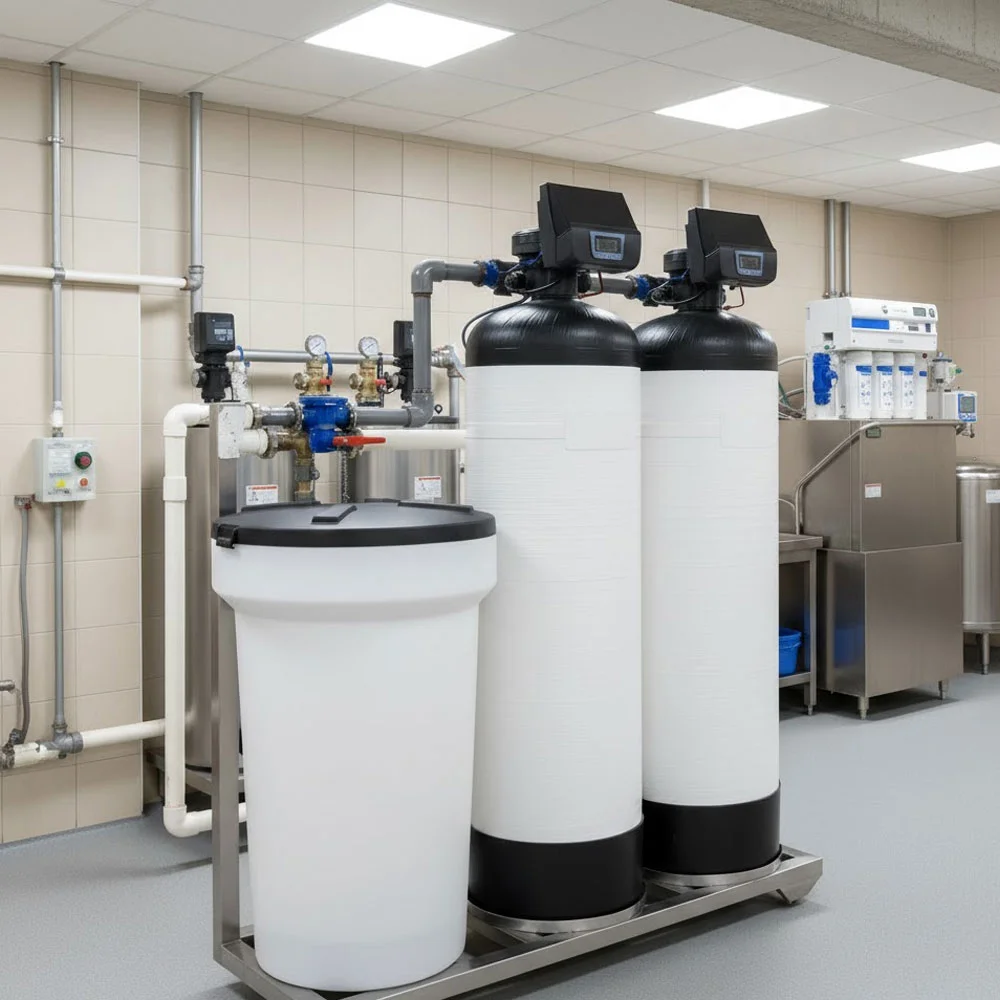
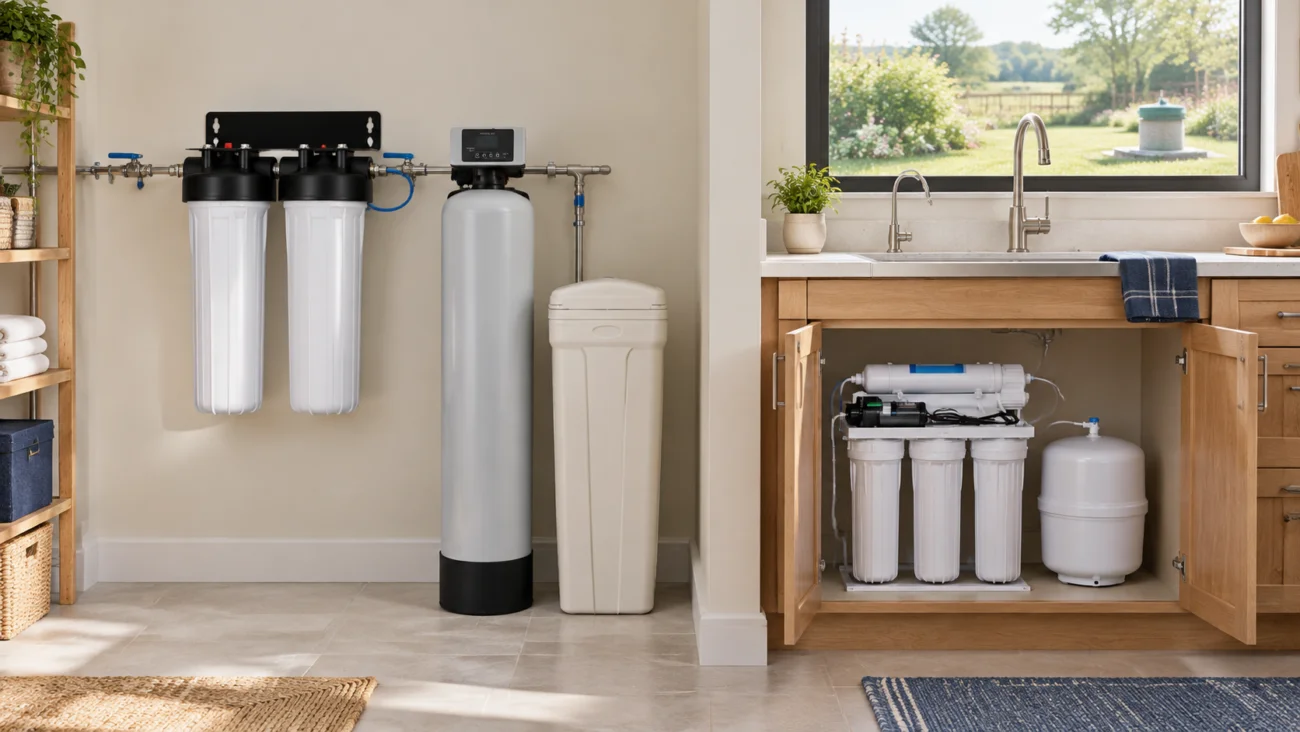
Installing whole-home filtration allows incoming water to be treated before it reaches connected outlets throughout the property. Depending on the selected equipment, this approach can help reduce sediment, certain chemical tastes, unpleasant odors, and other targeted substances.
Imagine no longer noticing that irritating chlorine smell every time you turn on the shower. For some homeowners, improvements like these make everyday activities considerably more enjoyable.
However, not every filtration unit addresses the same concerns. Sediment filters capture suspended particles, while activated carbon media can reduce specific chemical compounds.
The right arrangement depends on your incoming water characteristics and household consumption. Appropriate testing should guide your equipment selection rather than attractive product descriptions alone.
Making Drinking Water More Enjoyable
Drinking enough water becomes a little easier when you genuinely enjoy its taste. Unfortunately, unpleasant odors or an unfamiliar aftertaste can discourage people from drinking directly from the tap.
Many homeowners choose reverse osmosis drinking water solutions to reduce specific dissolved contaminants and improve the overall drinking water experience.
Reverse osmosis technology uses pressure to move water through a semipermeable membrane. Additional filtration stages may help manage sediment and certain chemical compounds.
Residential systems are frequently installed beneath kitchen sinks, providing treated water through a dedicated faucet.
This arrangement offers convenience for preparing meals, brewing coffee, and filling reusable water bottles. It may also help households reduce their dependence on single-use plastic bottles.
Nevertheless, membrane performance, replacement schedules, and water efficiency deserve consideration. Choose equipment with verified reduction capabilities that match your actual water quality concerns.
Dealing With Stubborn Hard Water Problems
Hard water can make ordinary household chores feel unnecessarily demanding. Bathroom surfaces develop white deposits, glassware looks cloudy, and soap sometimes seems less effective than it should.
Traditional water softening systems address excessive hardness by exchanging dissolved calcium and magnesium ions for sodium or potassium ions.
Reducing hardness can help limit future scale accumulation inside connected plumbing, water heaters, and household appliances.
There’s also the everyday convenience of spending less time removing mineral deposits from fixtures and shower doors.
However, softening isn’t the same as comprehensive purification. A conventional softener isn’t designed to remove every chemical or microbial contaminant that might be present.
These systems also require appropriate maintenance, including replenishing regeneration supplies and checking operating settings.
Understanding their capabilities and limitations helps homeowners decide whether softening alone is sufficient or whether additional treatment would be beneficial.
Why Water Testing Is Worth Doing First
Buying filtration equipment without testing your water is a bit like purchasing replacement parts for an appliance without knowing what’s wrong with it.
You might get lucky, but there’s also a reasonable chance you’ll spend money on something that doesn’t resolve the problem.
Water testing can reveal hardness levels, pH, and other characteristics depending on the analysis performed.
Private well owners may require more detailed laboratory testing to investigate microbial or chemical concerns.
Once you understand what’s actually present in your water, choosing appropriate technology becomes considerably easier.
Sometimes, a straightforward treatment arrangement is enough. Other properties may benefit from several complementary treatment stages.
Finding a System That Fits Your Household
Every household uses water differently. A large family with several bathrooms naturally places greater demands on treatment equipment than someone living alone.
Consider daily consumption, available installation space, incoming water pressure, and maintenance expenses when comparing systems.
An undersized unit may struggle during busy periods, while unnecessarily large equipment could increase costs without delivering meaningful additional benefits.
Talk through these practical considerations with an experienced water treatment specialist.
It’s worth getting the details right before installation rather than discovering limitations afterward.
Keeping Your Water Treatment Equipment in Good Condition
Even excellent filtration equipment needs occasional attention.
Cartridges eventually become exhausted, membranes require periodic replacement, and traditional softeners need regeneration supplies.
Keep track of maintenance dates and follow the manufacturer’s servicing recommendations.
Don’t rely entirely on changes in taste or appearance to judge equipment performance. Some contaminants cannot be detected through ordinary sensory observations.
Appropriate follow-up testing can help confirm that treatment continues addressing its intended purpose.
Enjoying the Difference Better Water Can Make
Improving household water quality isn’t about filling your utility room with complicated machinery. It’s about making ordinary activities easier, more comfortable, and sometimes a little less expensive.
Perhaps you’ll spend less time scrubbing bathroom fixtures or enjoy making your favorite morning coffee even more.
Start with reliable testing, select suitable treatment equipment, and maintain it consistently.
Better water should fit naturally into your lifestyle. And when those familiar household frustrations become less noticeable, you’ll appreciate just how valuable a thoughtful water treatment investment can be.